
Key Takeaways
- The right cabinet door style does more than update appearance—it defines the overall character of your kitchen.
- Shaker doors remain the most versatile and popular option for cabinet refacing.
- Flat panel (slab) doors are ideal for modern kitchens.
- Raised panel doors are best suited to traditional and heritage homes.
- Beadboard doors bring warmth and personality.
- Glass insert doors create a premium focal point.
- Your home’s architecture, kitchen size, maintenance preferences, and long-term plans should guide your decision.
- Material and finish choices are just as important as the door profile.
- Door style affects cost, but less than many homeowners expect.
- Cabinet refacing delivers the look of a new kitchen at a fraction of the cost and disruption of full replacement.
Choosing a new door style is the most exciting part of a cabinet refacing project, and for most homeowners, the most overwhelming.
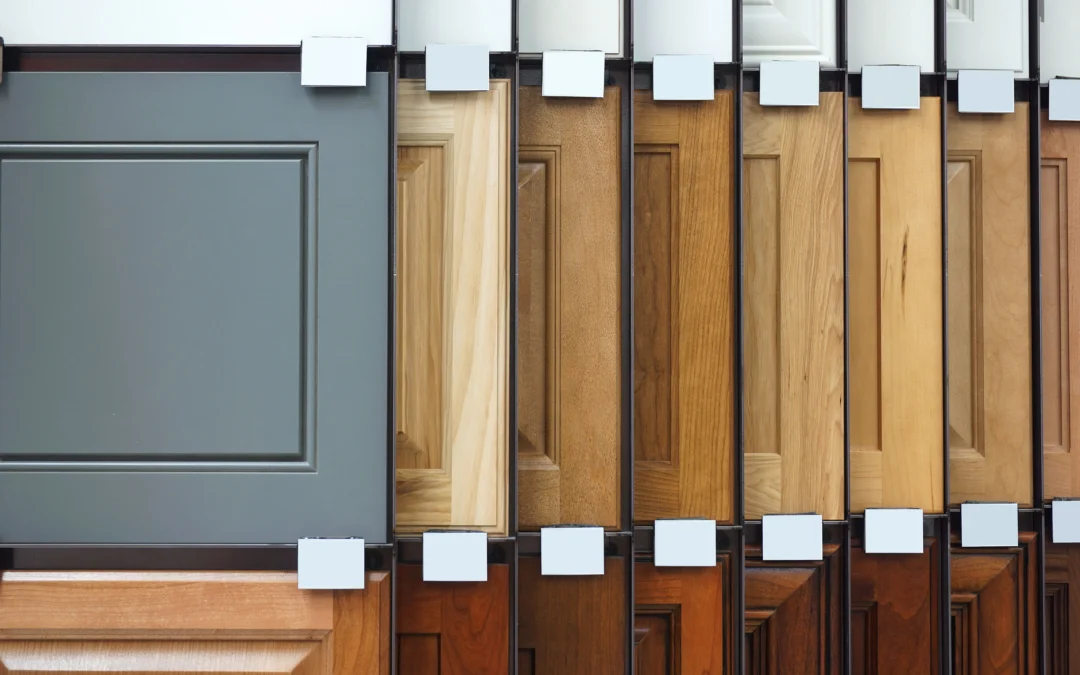
Walk into a showroom and you’re confronted with dozens of profiles, finishes, and materials. Ask three different contractors which style is best and you’ll get three different answers. Meanwhile, you’re trying to picture how a door sample the size of a dinner plate will look across an entire kitchen.
Here’s the thing most homeowners don’t realise: the door style you choose doesn’t just change the colour of your kitchen. It changes the entire character of the space; how modern or traditional it feels, how large or intimate it looks, and how well it holds up over years of daily use.
The good news is that there is no single “correct” answer. The best cabinet doors for refacing depend on your kitchen style, layout, budget, personal style, and long-term plans. Below are the five cabinet door styles chosen by 180 Kitchens clients across Vancouver, Edmonton, and Calgary with honest pros, cons, material options, and who each style suits best. By the end, you’ll have a clear picture of which direction makes the most sense for your home.
If you’re new to cabinet refacing and want to understand the process first, start there and then come back to this guide when you’re ready to think about style.
What to Consider Before Choosing a Cabinet Door Style
Before jumping into the styles themselves, it helps to frame the decision correctly. The best cabinet door style isn’t the one that looks best in a photo but it’s the one that fits your home, your lifestyle, and your long-term goals.
Your Home’s Architectural Style
A heritage character home in East Vancouver has different bones than a modern condo in downtown Calgary or a new build in south Edmonton. The door profile that looks stunning in one context can feel completely out of place in another. As a general rule, your cabinet door style should complement the overall architecture of your home, not fight against it.
Your Kitchen’s Size and Layout
Highly detailed door profiles with raised panels and ornate edges add visual weight to a kitchen. In a larger, open-plan space that works beautifully. In a smaller kitchen, common in Vancouver condos or older homes, that same level of detail can make the space feel cramped and busy. Simpler profiles tend to open up smaller kitchens and make them feel larger.
Your Long-Term Plan
If you’re planning to stay in the home for 10 or more years, choosing a door style you genuinely love is the priority. If you’re renovating before selling, a timeless and broadly appealing choice, one that photographs well and appeals to a wide range of buyers, is the smarter play.
Material and Finish Compatibility
Not all door styles work equally well in all materials. Flat panel doors look exceptional in high-gloss thermofoil. Raised panel doors are best expressed in solid wood or wood veneer. Shaker profiles work in virtually everything. We’ll cover this in more detail for each style below.
Maintenance
Some door profiles collect grease, dust, and food residue in their grooves and crevices more than others. For a busy family kitchen that sees daily cooking, a flatter, easier-to-clean profile may be the more practical long-term choice, even if a more ornate style initially appeals.
Top 5 Cabinet Door Styles for Refacing
1. Shaker
If there’s one cabinet door style that has stood the test of time, it’s the shaker.
Shaker doors are five-piece panel doors with a recessed centre panel and clean square edges. Shaker cabinet doors are known for their simple, rectilinear frame and are versatile enough to fit into both modern and traditional kitchen designs, which is exactly why they have remained the most requested door style across all three of 180 Kitchens’ markets for years.
Why it works well for refacing:
The shaker profile is available in virtually every material, finish, and colour imaginable. Whether you want a painted white kitchen, a warm wood-stain finish, a two-tone design with dark lowers and light uppers, or a bold charcoal statement, shaker suits very well. It’s also one of the most widely available profiles, which keeps costs competitive.
Best for:
Shaker style cabinets suit almost any home: Vancouver character homes, Edmonton new builds, and Calgary contemporary kitchens. Choose shaker style doors if you want clean lines without going fully minimal.
Popular in:
All three markets. Vancouver character homes, modern Edmonton new builds, and contemporary Calgary kitchens equally.
Finish options that work best:
- Painted white or soft white: the most popular choice across Vancouver and Edmonton
- Two-tone combinations: dark base cabinets with lighter upper cabinets
- Natural wood grain or wood veneer for a warmer, Scandinavian-inspired feel
- Matte grey or sage for a more contemporary edge
Key strengths
Shaker cabinet doors are easy to pair with hardware options, from simple knobs to long pulls. They are also easier to clean than raised panel doors and more forgiving than slab cabinet doors. Painted finishes tend to brighten a room and give refaced cabinets a more dramatic before-and-after effect, especially useful when old cabinets feel dark or visually heavy. They are one of the most affordable profile options given their popularity and manufacturing efficiency.
Possible limitations
A shaker cabinet can feel common if the colour and hardware are too generic. To add personality, consider two-tone finishes, visible wood grain, or a slimmer shaker profile.
Who it suits: Homeowners who want a result that looks intentional, ages well, and appeals broadly. If you’re renovating before selling, shaker is one of the safest choices you can make.
Want to see how shaker door refacing transforms a real kitchen? Browse our before-and-after cabinet refacing gallery for examples from real 180 Kitchens projects.
2. Flat Panel (Slab)
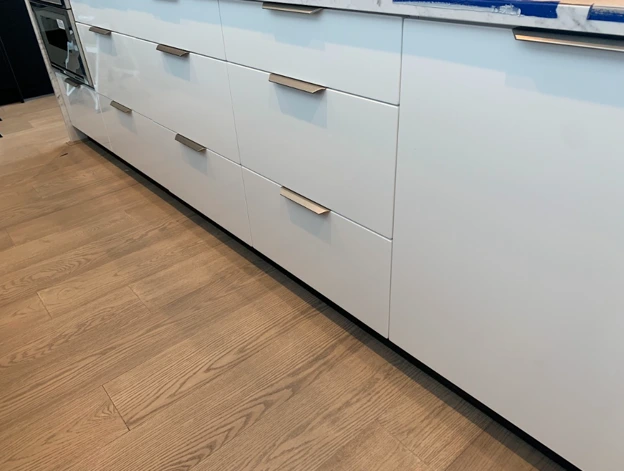
Flat panel, also called slab doors, is exactly what it sounds like: a single, completely flat door with no frame, no centre panel, and no raised or recessed detail. Just a clean, uninterrupted surface from edge to edge.
It’s the defining door style of modern kitchen design, and its popularity has grown significantly over the past decade as open-plan living and minimalist aesthetics have become the dominant direction in new builds and condo renovations across Vancouver and Calgary.
Why it works well for refacing:
Flat panel cabinet fronts, particularly as full overlay doors, create a seamless appearance and make small spaces feel wider. The simplicity of the flat panel profile makes it one of the most versatile canvases for finishes. Slab cabinet doors work especially well in matte charcoal, high-gloss white, concrete-look finishes, and warm wood veneer.
High-gloss surfaces reflect light beautifully, making kitchens feel larger and brighter. Matte finishes create a sophisticated, understated look. Wood veneer flat panels bring warmth to an otherwise contemporary space without adding visual clutter.
Best for:
Flat panel doors suit modern, minimalist, and contemporary kitchen styles. Particularly effective in smaller kitchens and open-plan spaces where visual simplicity matters.
Popular in:
Vancouver condos and downtown apartments, modern Edmonton new builds, contemporary Calgary homes with clean architectural lines.
Finish options that work best:
- High-gloss white or off-white: maximises light reflection in darker kitchens
- Matte charcoal or black: bold, dramatic, works well in larger spaces
- Concrete-effect or stone-look finishes: increasingly popular in contemporary builds
- Natural wood veneer: adds warmth without adding detail
Key strengths:
They are the easiest doors to wipe clean because there are no recessed panels or grooves. They can also be one of the most affordable cabinet refacing door options because the construction method is simple.
Possible limitations:
Fingerprints and smudges show more readily on high-gloss versions, which is worth considering in a family kitchen with children. In a heritage home, this style may feel too stark unless balanced with wood, warmer lighting, or softer hardware.
Who it suits: Homeowners who want a clean, contemporary kitchen aesthetic, especially effective in open-plan spaces where the kitchen is visible from the living area and visual cohesion across the whole space matters.
Thinking about flat panel refacing for your kitchen? Get a free instant estimate and see what it would cost for your space.
3. Raised Panel
If shaker is timeless, raised panel is traditional.
Raised panel cabinet doors have a shaped frame and a raised centre panel that sits above the surrounding rails, providing a traditional and elegant look.
Why it works well for refacing:
Raised panel doors add depth, fine craftsmanship, and traditional aesthetic appeal that flat designs cannot match.
In homes where the architecture calls for it, like older Vancouver character homes, heritage properties in mature Edmonton neighbourhoods, or traditional Calgary residences, raised panel is the natural choice. It brings the cabinets in line with the overall character of the home rather than working against it.
Best for:
They suit formal kitchens, older Vancouver homes, traditional Edmonton properties, and homeowners who want warmth instead of minimalism.
Popular in:
Heritage character homes across Vancouver and North Shore, mature Edmonton neighbourhoods, and traditional Calgary properties.
Finish options that work best:
- Wood stain in oak, maple, or cherry: lets the grain and the profile work together
- Painted white or cream: the most popular choice for a bright traditional kitchen
- Classic heritage tones: sage, navy, deep forest green for a more characterful result
Key strengths:
Solid wood is valued for its natural aesthetic and durability, commonly used in shaker and raised panel styles. Stained finishes bring out the material character of wood and often feel warmer and more timeless compared to painted finishes. Raised panel cabinet doors can make refaced cabinets look custom-built.
Possible limitations:
More profile detail means more cleaning. In smaller rooms, a dark raised panel can feel visually heavy. Cost sits in the mid to upper range, depending on the complexity of the profile edge detail.
Who it suits:
Homeowners in traditional or heritage properties who want their kitchen to feel cohesive with the rest of their home. Less suited to contemporary builds or minimalist aesthetics, but in the right setting, raised panel is the most elegant option on this list.
See how raised panel refacing looks in a real kitchen in our before-and-after gallery, or book a free consultation to see samples in your own home.
4. Beadboard
Beadboard cabinet doors feature vertical grooves across the panel. They combine the simplicity of shaker-style cabinets with a decorative beadboard centre panel, adding texture and charm to kitchens.
Why it works well for refacing:
Beadboard adds texture and visual interest to a kitchen without requiring any structural changes. As part of a refacing project, it transforms a flat, dated kitchen into something that feels considered and full of character, often at a lower cost than homeowners expect.
Beadboard cabinets bring rustic charm without committing to a full farmhouse kitchen remodelling project.
Best for:
Farmhouse, cottage, or coastal-inspired kitchen styles. Homes where the owner wants warmth and personality rather than a sleek or formal finish.
Popular in:
North Shore Vancouver homes where a relaxed, coastal aesthetic fits naturally. Character homes in mature Edmonton neighbourhoods. Properties where the garden or outdoor living space is a strong part of the home’s identity.
Finish options that work best:
- Painted white: the classic beadboard choice, fresh and clean
- Soft grey or pale sage: more contemporary takes on the farmhouse aesthetic
- Warm cream or linen tones: pairs beautifully with natural wood open shelving and butcher block countertops
Key strengths:
This is the right style if you want texture and warmth without committing to a high-maintenance profile. The profile is more detailed than flat panel or basic shaker but doesn’t reach the upper end of raised panel pricing.
Possible limitations:
The grooves require slightly more attention than shaker or flat panel; food and grease can settle into the beads over time, particularly on lower cabinets near the cooktop. A soft brush or narrow cleaning tool makes this straightforward, but it is worth accounting for in a high-use kitchen. Beadboard can also feel too casual for very formal kitchen styles.
Who it suits:
Homeowners who want their kitchen to feel lived-in, warm, and full of character.
Curious whether beadboard suits your kitchen? Book a free in-home consultation and we’ll bring samples directly to you.
5. Glass Insert Panel
Glass insert panels occupy a slightly different category to the other four styles on this list because in most cases, they’re not used for every door in the kitchen.
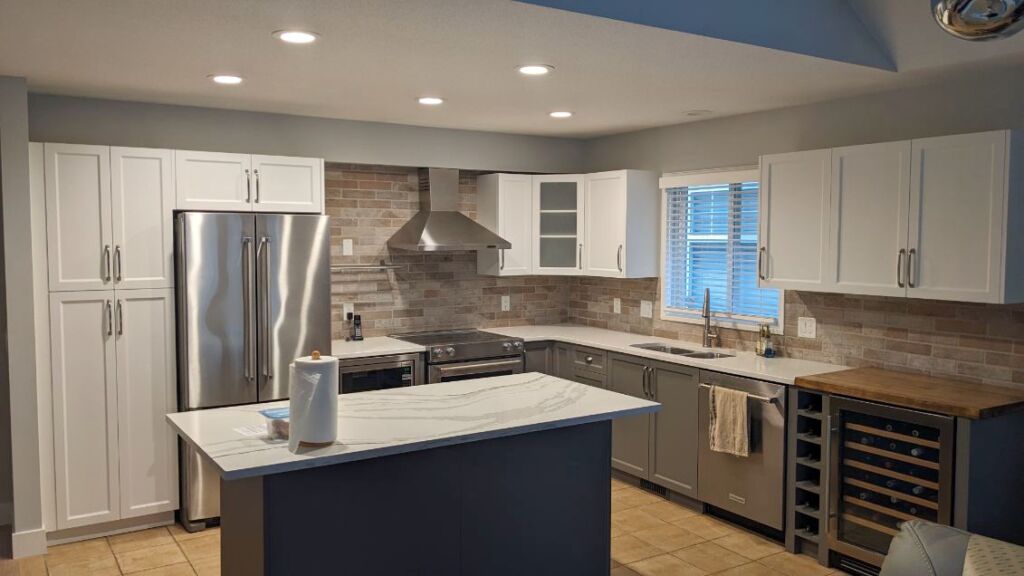
Glass cabinet doors use glass panels instead of a solid centre panel, usually within shaker or raised panel frames.
Why it works well for refacing:
Glass inserts are typically specified for select upper cabinets, usually above the countertop on a feature wall or either side of a range hood, rather than the entire kitchen. Glass front cabinets allow a partial view into the cabinet interior and introduce a sense of lightness and depth that solid doors can’t achieve. As a targeted upgrade within a refacing project, they add a high-end, custom feel at a fraction of the cost of a full renovation. They’re one of the most effective ways to make a refaced kitchen look genuinely bespoke.
Best for:
Upper cabinets in higher-end kitchen renovations, open-concept kitchen designs, and homeowners who want to display dishware, glassware, or decorative items as part of the kitchen aesthetic.
Popular in:
Higher-end Vancouver and Calgary kitchen renovations, open-concept homes where upper cabinets are a visual focal point.
Finish options that work best:
- Clear glass: maximum visibility, works best when cabinet interiors are well organised and visually consistent
- Frosted or satin glass: softens the view into the cabinet while maintaining the sense of depth
- Reeded (fluted) glass: a strong trend in 2025-2026, adds texture and a high-end feel
- Seeded glass: traditional and characterful, pairs well with raised panel or shaker frames
Key strengths:
Glass helps display dishware and makes upper cabinets feel lighter. It works well with shaker doors below and glass above. The look is premium.
Possible limitations:
Glass doors require regular cleaning to stay looking their best. Fingerprints, water spots, and dust on the glass are more visible than on a solid door. Glass panels also add cost per door, but because they’re used selectively on a small number of upper cabinets, the overall impact on total project cost is manageable.
Who it suits:
Homeowners who want a premium focal point in their kitchen without committing to glass throughout.
Ready to explore glass insert options for your refacing project? Book a free consultation and we’ll show you samples and provide a detailed quote at no charge.
Quick Comparison: The Top 5 Cabinet Door Styles
| Style | Best Home Type | Kitchen Size | Maintenance | Cost Range | Most Popular Finish | Key Benefit |
| Shaker | Any: heritage, modern, transitional | Any size | Low to medium | Mid-range | Painted white, two-tone | Most versatile — works everywhere |
| Flat Panel (Slab) | Modern, contemporary, minimalist | Small to large, best in condos | Lowest — easiest to clean | Most affordable | Matte charcoal, high-gloss white | Makes small kitchens feel larger |
| Raised Panel | Traditional, heritage, formal | Medium to large | Medium to high | Mid to upper | Wood stain, painted white | Most elegant — custom-built feel |
| Beadboard | Farmhouse, cottage, coastal | Small to medium | Medium | Mid-range | Painted white, pale sage | Warmth and character without a full remodel |
| Glass Insert | Any — used on select uppers only | Any size | High (glass cleaning) | Upper range | Clear, frosted, reeded | Premium focal point on upper cabinets |
Other door styles such as louvered doors can work in niche spaces, but these five are the most proven and widely available options for cabinet refacing projects.
How to Choose the Right Cabinet Door Style for Your Kitchen
Still not sure? Here’s a straightforward way to narrow it down:
If your kitchen is modern or contemporary → Flat panel in a matte or high-gloss finish, or shaker in a two-tone or dark colour
If your home is a heritage character property → Raised panel in a painted or wood-stained finish, or shaker for a transitional result
If you want a farmhouse or cottage feel → Beadboard in white or a soft painted tone
If your kitchen is small or in a condo → Flat panel to maximise visual space, or simple shaker in a light colour
If your kitchen is open-plan → Shaker or flat panel — both read well from a distance and integrate naturally into a larger living space
If you want a premium focal point → Glass inserts on select upper cabinets, combined with shaker or flat panel on the rest
The right choice is not only about style. It is about kitchen design, maintenance, material, and how the doors fit your cabinets. Choose shaker if you want the best cabinet door for broad appeal. Choose flat panel if you want modern simplicity. Choose raised panel if you want classic character. Choose beadboard if you want charm. Choose glass inserts if you want a premium focal point.
One thing worth emphasising: you don’t have to make this decision from a photo. 180 Kitchens brings samples directly to your home as part of the free consultation process, which means you can see how each door style and finish actually looks in your kitchen, under your lighting, next to your countertops and flooring. That one step alone eliminates most of the uncertainty. Book a free in-home consultation to get started.
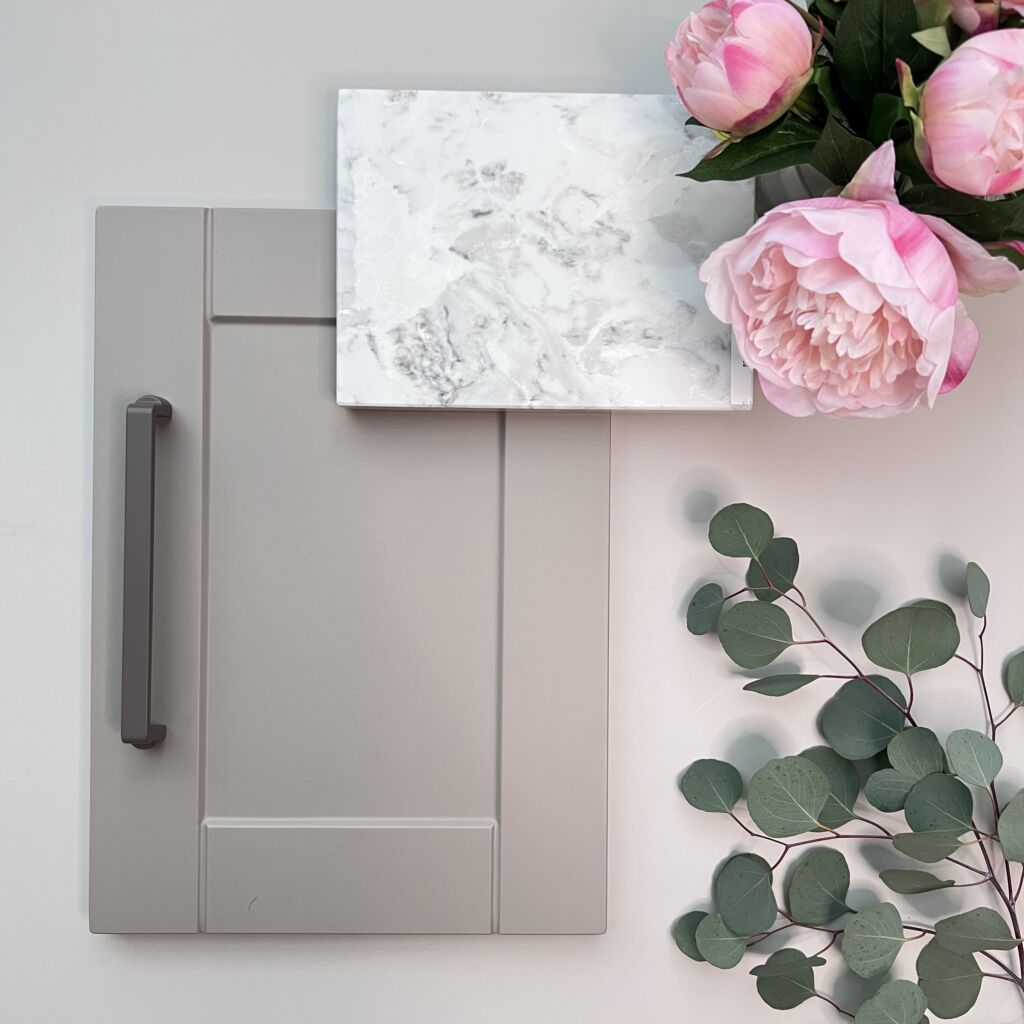
How We Chose the Best Cabinet Door Styles for Refacing at 180 Kitchens
Remember that refacing is different from cabinet replacement. Cabinet refacing keeps the existing cabinet structures, which makes it an eco-friendly option that reduces waste by reusing existing cabinet structures rather than discarding them. Refacing cabinets is also generally more cost-effective than full cabinet replacement, allowing homeowners to achieve a fresh look without the higher expenses associated with new cabinetry. It can significantly reduce the time required for a kitchen renovation, with many projects completed in just a few days, minimising disruption to daily life.
We chose these door styles based on versatility, material compatibility, maintenance, durability, cost-effectiveness, and how well they work with existing doors, drawer fronts, drawer boxes, end panels, and the cabinet frame during refacing.
We also look at finish performance. A well-chosen finish can make a simple cabinet door look expensive, while a poor finish can make even a good door feel underwhelming. Glossy surfaces show fingerprints more easily, while very dark finishes can reveal dust, making the choice of finish important for maintenance.
Overlay matters too. Full overlay cabinet doors cover most of the cabinet frame for a seamless appearance, while partial overlay doors leave more frame visible. Inset doors can look beautiful, but overlay doors are usually more practical for refacing.
Custom cabinet doors are essential for achieving a polished look in kitchen refacing projects, as they can be tailored to fit the exact dimensions of existing cabinet openings, ensuring a seamless appearance. Custom sizing of cabinet doors helps maintain even gaps and cleaner lines, which enhances the overall aesthetic of the kitchen and prevents a patched-together look. Before ordering replacement kitchen cabinet doors, 180 Kitchens takes exact measurements and double-checks every opening.
What Materials Are Cabinet Doors Available In?
Material quality is crucial for cabinet doors as it affects both durability and aesthetics, ensuring that the doors can withstand daily use while maintaining their visual appeal.
MDF is often recommended for painted cabinet doors due to its smooth surface, which helps achieve a clean and consistent finish without the grain pattern of wood. Solid wood cabinet doors are favoured for their durability and longevity, providing a furniture-grade look that can enhance the overall design of a kitchen. Different wood species affect colour, grain, and price.
Rigid Thermofoil (RTF) provides a low-maintenance option and is resistant to moisture, making it easy to clean. Wood veneer gives a real wood look over a stable core.
Custom cabinet doors can be made from various materials, including solid wood, MDF, and thermofoil, allowing homeowners to choose options that best fit their style and functional needs. Choosing high-quality materials for cabinet doors can prevent the need for a redo in a few years, as lower quality options may not hold up well over time. As part of the 180 Kitchens consultation, we guide every client through this decision with samples in hand, no guesswork required.
How Door Style Affects the Cost of Your Refacing Project
One of the most common questions we get is whether door style choice significantly affects the overall cost of a refacing project. The honest answer is: yes, but less than most people expect.
Here’s a general guide to how styles compare on cost:
- Flat panel: typically the most affordable, due to the simplicity of construction
- Shaker: mid-range, and the best value-to-impact ratio on this list
- Beadboard: mid-range, slightly more than shaker due to the groove detailing
- Raised panel: mid to upper range depending on profile complexity
- Glass inserts: upper range per door, but typically used on a small number of upper cabinets only
The more significant cost drivers in any refacing project are kitchen size, the number of doors and drawer fronts, and the material selected, not the profile itself. Even the most premium door style in a refacing project represents a fraction of what full cabinet replacement would cost.
For city-specific pricing, visit our cabinet refacing in Vancouver, cabinet refacing in Edmonton, or cabinet refacing in Calgary pages. Or get a free instant estimate right now to see what your kitchen would cost.
Ready to See Which Door Style Works Best in Your Kitchen?
The right cabinet door style can transform a kitchen completely, and cabinet refacing is the most efficient, cost-effective way to achieve your dream kitchen without the disruption and expense of a full renovation.
At 180 Kitchens, we’ve helped hundreds of homeowners across Vancouver, Edmonton, and Calgary find the door style, material, and finish combination that works best for their home. We bring samples directly to you, take precise measurements, and provide a detailed quote, all at no charge.
Book a free in-home consultation or get a free instant estimate online to take the first step. There’s no obligation, just a clear picture of what your kitchen could look like and what it would cost.
Frequently Asked Questions
What is the most popular cabinet door style for refacing?
Shaker is consistently the most popular choice across all three of 180 Kitchens’ markets, Vancouver, Edmonton, and Calgary. Its versatility, clean lines, and ability to work in both traditional and contemporary kitchens make it the most broadly appealing option for homeowners at every budget level.
Can I mix cabinet door styles in the same kitchen?
Yes, and it can look intentional and high-end when done correctly. The most common combination is glass insert panels on select upper cabinets with a solid shaker or flat panel door on the rest. Two-tone finishes (using the same door profile in two different colours on uppers and lowers) are also extremely popular. The key is consistency of profile with variation in finish, rather than mixing too many different styles throughout the same kitchen.
How long does it take to install new cabinet doors during a refacing project?
Most cabinet refacing projects, including new doors, drawer fronts, hardware, and vinyl wrap on the cabinet boxes, are completed in 2-5 days. The timeline depends on the size of the kitchen and the complexity of the door profile selected.
Will new cabinet doors fit my existing cabinet boxes?
Yes. Part of the refacing process involves measuring every cabinet box individually and manufacturing doors to fit precisely. Unlike off-the-shelf cabinet replacements, refacing doors are made to the exact dimensions of your existing boxes, ensuring a perfect fit throughout.
Can I change my cabinet door style without replacing whole cabinets?
Absolutely, and that’s precisely what cabinet refacing does. The existing cabinet boxes stay in place. Only the doors, drawer fronts, hardware, and exterior finish of the boxes are replaced. This is how refacing achieves the look of a brand new kitchen at 30-50% of the cost of full replacement.